
Gutter damage: what you need to know
To keep your gutters efficient throughout the year, regular maintenance is essential. It extends system lifespan and helps avoid major repair or full replacement costs. Here are common gutter problems and the right ways to handle them.

Cracks and deformation
Ice can form inside both vertical and horizontal gutter sections. Temperature swings may cause that ice to expand and crack, creating gutter deformation. This can lead to future leaks, so cracks should be repaired quickly. For major cracking, a professional repair is recommended.
Slope changes
Gutters are installed with a slope to direct water toward downspouts. But heavy debris, standing water, or ice can reverse this slope and cause pooling. If you notice stagnant water after rain, the pitch may be insufficient. In many cases, replacement is better than patch repair, and this type of correction is best handled by a professional.
Sagging
Snow buildup, roof-edge ice, and worn supports can make gutters sag and lose efficiency. Fixes often require adding nails or brackets in the right locations. While this can be done with proper tools, professional work helps ensure correct placement and sufficient reinforcement. Regular inspections help catch and repair damage early.
Roof damage
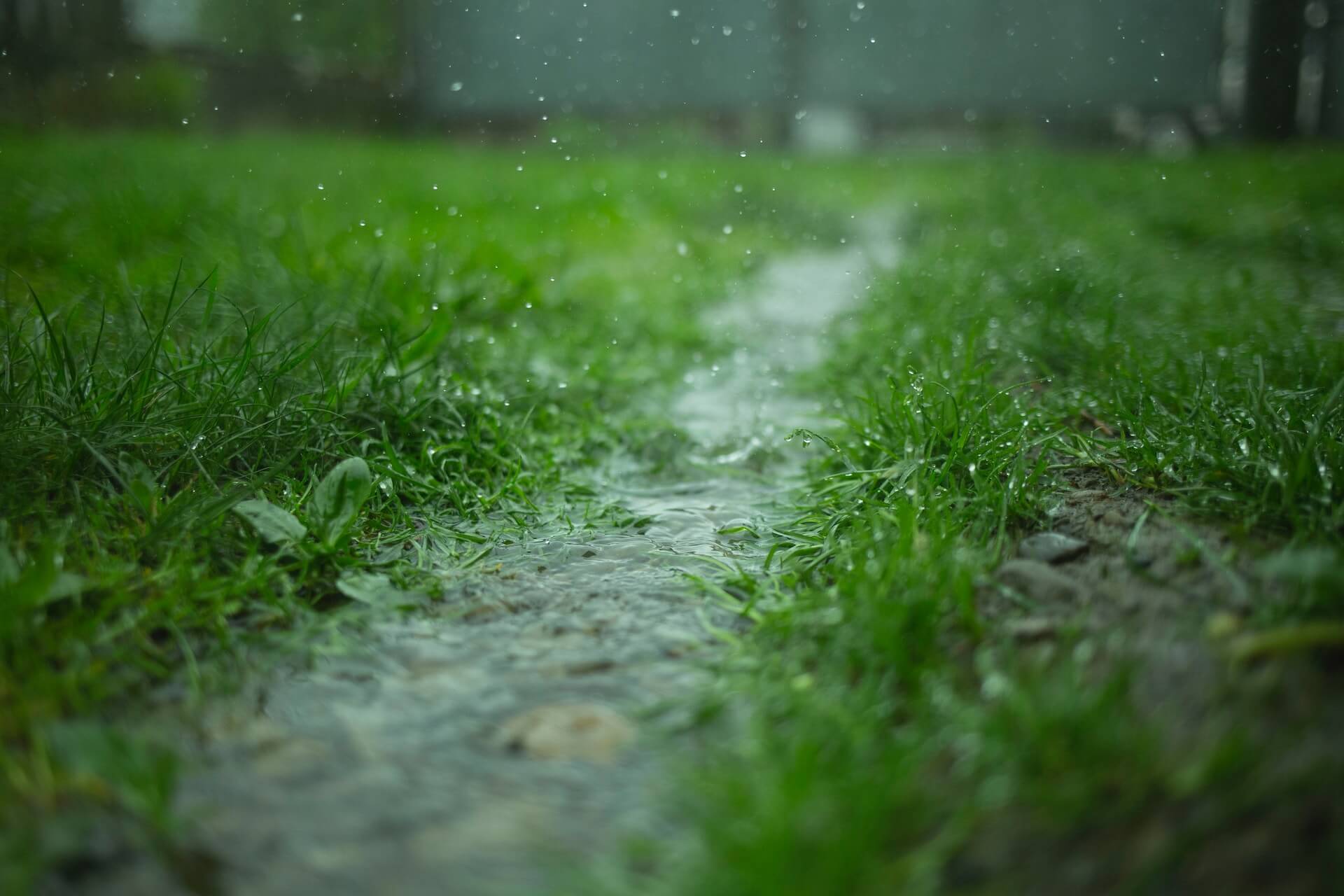
Poor gutter maintenance can cause water infiltration into roofing components and fascia, leading to structural damage and rot. Water from an upper roof discharging directly onto a lower roof can also accelerate shingle wear. Gutters should direct water to ground level, not onto roofing surfaces. Preventive maintenance costs far less than major roof repair.
Foundation damage
Downspouts should discharge at least 1.5 meters from the home, and farther when grading slopes back toward the house. If gutters are poorly installed or deteriorated, repeated overflow near foundations can erode or compact soil over time, creating depressions where water accumulates.

In Quebec, many homes were built without a waterproof membrane against porous foundation concrete. Increased soil moisture near foundations can worsen basement humidity issues. If drainage is poor, water may infiltrate the basement and cause significant damage. In severe cases, frozen ground water can bind to foundations and create structural cracking, and even slight lifting of sections such as a garage can occur.
Some downspouts are also connected to foundation drains that were not designed for high water volumes. When overloaded, these drains lose effectiveness and basement humidity rises. This can lead to efflorescence on exposed concrete walls, as well as mold or rot in lower wall and floor areas. A better solution is extending downspouts away from foundations onto well-drained surfaces.
Insect proliferation
When leaves and debris clog gutters, trapped water creates swamp-like conditions. Standing water and decomposing debris become breeding zones for insects such as mosquitoes. That increases bite risk for your family, guests, and pets. Regular inspection and properly selected gutter guards help reduce this risk.
Insurance coverage limits
Poorly installed or maintained gutters can cause mold and interior wall damage. Gradual damage from repeated overflow or infiltration is often excluded from home insurance coverage. If that applies, you may have to pay repair costs out of pocket. Preventive maintenance is usually far less expensive.
Conclusion
Regular gutter maintenance is essential to avoid costly home damage such as foundation cracking, basement leaks, and interior mold. It also helps prevent pest issues and health risks for your household. Check your gutters regularly, clean them when needed, and repair problems early. If you are unsure about doing the work safely, contact a professional.